





Travellers arriving at Cape Town International Airport are being warned about alleged fake Uber drivers who target unsuspecting tourists, with some reportedly charging as much as R25,000 for a single trip.
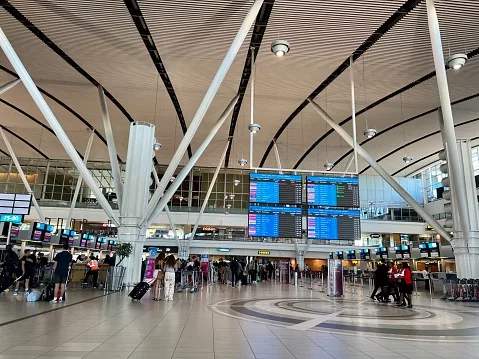
Cape Town International Airport/ By: anouchka/Getty Images
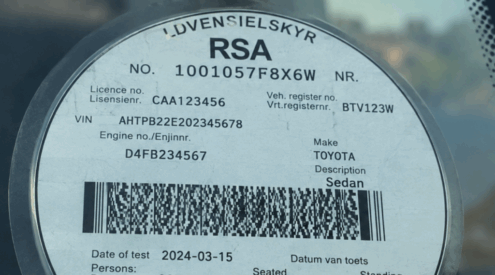
According to MyBroadband, individuals posing as legitimate e-hailing drivers approach passengers near airport exits, using reflective vests and fake identification cards to appear official. Some allegedly mislead travellers about designated pickup points and persuade them to cancel bookings made through legitimate apps.
The scams reportedly target tired and confused passengers arriving after long international flights, leaving some tourists facing exorbitant charges for journeys that should cost only a few hundred rand.
How the airport transport scam works
An Airports Company South Africa (ACSA) contractor, who also works part-time as an e-hailing driver, told MyBroadband that he regularly hears complaints from tourists about being overcharged by people posing as Uber drivers.
According to the contractor, the alleged scammers approach passengers at airport exits and offer to take them to their destinations. Some reportedly tell travellers that official e-hailing pickup areas are too far away, encouraging them to cancel their app bookings and accept an alternative ride.
The contractor alleged that some of the individuals operate as part of a wider network of former and current metered-taxi drivers seeking to make money by exploiting arriving passengers.
One of the reported methods involves manipulating card-machine payments. A fare of R250, for example, can allegedly become a charge of R25,000 if the passenger fails to check the amount displayed before tapping their card.
Tourists face bills of up to R25,000
One case involved a 70-year-old tourist from the United Kingdom who reportedly told the contractor she had been charged £800, equivalent to approximately R17,690, for a trip from the airport.
When she challenged the driver, he allegedly claimed that he had entered the wrong amount and promised to contact his manager to arrange a refund. However, the tourist reportedly left South Africa without recovering her money, despite obtaining a South African Police Service (SAPS) case number.
Another passenger allegedly faced an aggressive response after confronting a driver over a R10,000 charge for a journey that should have cost approximately R200.
The contractor told MyBroadband that visitors may feel particularly vulnerable when confronted by an angry local driver in an unfamiliar country, making it harder for them to challenge suspicious charges.
The incidents could also have consequences beyond the immediate financial losses. According to the report, the contractor has heard from foreign visitors who said their experiences had left them unwilling to return to South Africa.
Travellers urged to use official pickup points
ACSA has reportedly put up warning signs at Cape Town International Airport advising passengers against accepting unsolicited transport offers from individuals approaching them at entrances. However, the contractor said some of the signs had been removed and discarded.
The warnings follow a TikTok video published earlier in 2026 that drew attention to alleged fake e-hailing scams at the airport.
Travellers arriving in Cape Town can reduce their risk by booking rides through official e-hailing apps, following the apps’ instructions for designated pickup areas and avoiding unsolicited transport offers.
Passengers should also verify the driver’s details and vehicle registration against their booking before getting into a car. Before tapping a bank card, they should check that the amount displayed on the payment terminal matches the agreed fare.
If a driver requests a different payment method or attempts to change the agreed fare unexpectedly, travellers should pause the transaction and seek assistance from official airport staff.
Source: MyBroadband
Follow us on social media for more travel news, inspiration, and guides. You can also tag us to be featured.
Instagram | Facebook | Twitter | Spotify
ALSO READ: